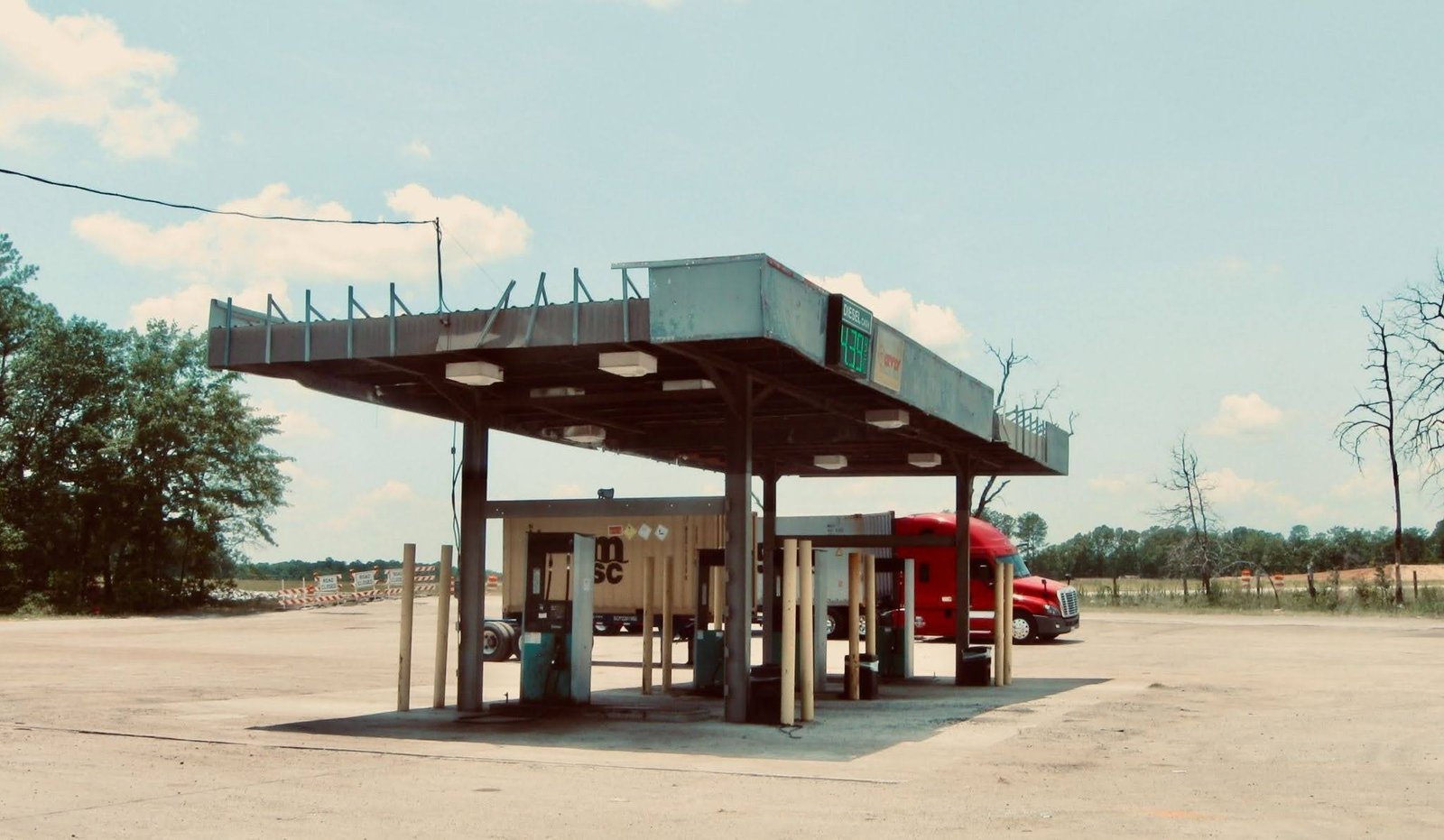

As of Oct. 1, the Czech Government has put a plan into action to control fuel prices throughout the month due to the ongoing fuel crisis.
The prices are announced by the Ministry of Finance every working day, introducing a price cap for petrol and diesel. As of Oct. 25, the maximum permitted prices announced by the ministry are 44.55 kč/litre for petrol and 48.69 kč/litre for diesel.
Petrol and diesel are both made from crude oil – a natural resource that is transported internationally across borders. Recent international political conflicts, such as the war in Iran, have caused disruptions in the movement and processing of the resource, specifically affecting shipments and infrastructure. As stated by the International Energy Agency, “[r]enewed attacks in the Gulf leave the recovery [of declining oil supply] fragile.”
When oil becomes more difficult and expensive to supply, its prices can have a significant increase internationally. Even though the Czech Republic is far away and not politically involved in the conflict, it can still be affected as oil is traded in global markets.
In the Czech Republic, prices have significantly increased compared to last year. The Czech National Bank reported a 37.5% increase from Sept. 2025 to Sept.2026. For drivers, this meant paying approximately 532 kč more to fill a 50-litre petrol tank compared to the previous year. The increase in fuel prices has also played a significant role in overall Czech inflation, increasing from 1.9% in August to 2.5% in September 2026.
Alena Schillerová, the Czech minister of finance, is responsible for overseeing the ministry that announces the maximum fuel prices for the day. The government approved this new regulation on Sept.21, and it took effect on Oct. 1. Every working day at around 2 pm, the price cap for the following day is announced. The price cap is the highest price a gas station is legally allowed to charge. This means that stations are allowed to charge less than or equal to the price cap, but it is illegal to charge more.
The Ministry of Finance calculates the daily price cap based on wholesale fuel costs, VAT, and the current regulated retail margin of 2.5 Kč (this is the maximum amount a gas station is allowed to charge on top of the wholesale price due to the current regulations). As the wholesale prices differ and fluctuate for various reasons, such as the conflict in the Middle East, the government adjusts the price cap accordingly.
For Oct. 2026, the government has also reduced the tax collected on every litre of diesel sold to approximately 2.35 Kč per litre, including VAT, aiming to make diesel less expensive than it would be given the current crisis. This is particularly important for transport and delivery companies, as well as trucks, as they use large amounts of diesel in order to function. The Ministry of Finance stated that these reductions in tax will cost the government approximately 1.1 billion Kč in lost revenue.
The ongoing fuel crisis affects more than just drivers and gas stations – it also affects businesses and consumers across the Czech Republic. Many delivery trucks and transport vehicles run on diesel. Therefore, when the price of diesel increases, the transportation of goods also costs more, which can gradually contribute to higher product prices and delivery fees.
Despite the government’s efforts to reduce fuel prices, the introduction of price caps has raised concerns among the population about their effectiveness. The 2.5 Kč retail margin the ministry has installed is intended to protect consumers from spending too much money on fuel. However, gas stations need to use this money to cover costs such as employee salaries, electricity and maintenance.
ČTK has reported on three gas stations taking the government to court, complaining that previous regulations had forced them to sell diesel for less money than they had bought it for from suppliers, and that the regulations unnecessarily harmed small petrol stations. However, the Prague Municipal Court dismissed the case on Sept. 2, stating that the measures were legally justified.
While the government can regulate what petrol stations charge, it can not control fuel prices globally or help solve the bigger fuel crisis going on internationally, so the long-term effectiveness of these measures is still uncertain.
The current fuel price regulations are scheduled to expire on Oct.31, and the Ministry of Finance has yet to announce whether they will continue in the following month and how the government will respond if prices remain high or continue to rise. Regardless of how the government decides to handle the situation moving forward, the Czech Republic will continue to be affected by international oil prices due to the ongoing political conflicts. While price caps may offer temporary relief for consumers, their ability to protect both customers and gas station owners from the rising prices remains uncertain.