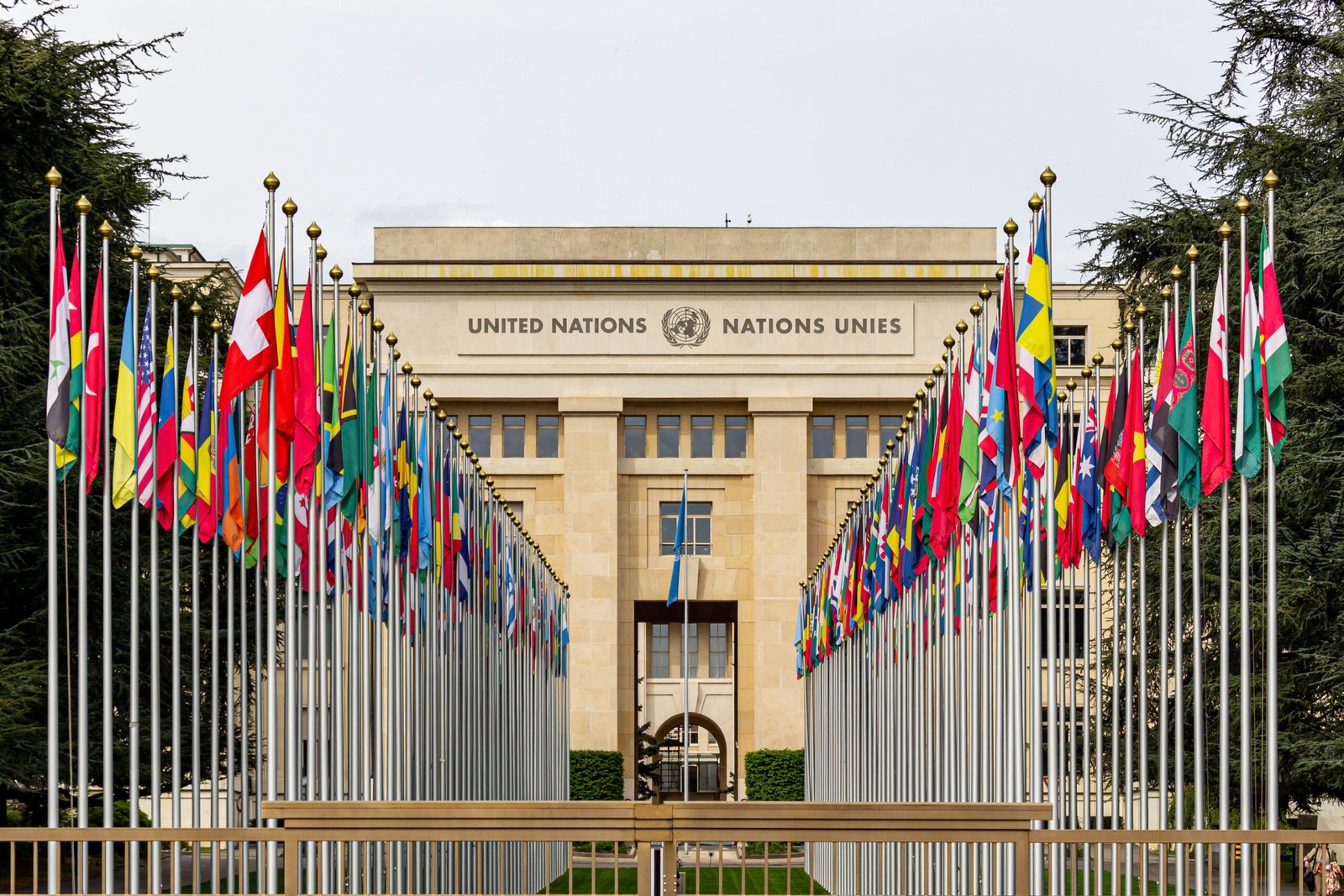

The United Nations is taking a “strategic retreat” from some of climate change’s worst impacts, as reported by ABC News and others. It’s a foreboding report that students may have seen in recent weeks. But what exactly does it mean?
“Global temperature rise is set to cross 1.5°C,” the United Nations published on their environmental programme website Sept. 2nd. Past this threshold, there is ever increasing risk of climate change’s impact worsening, from heatwaves that have already been felt around the world this past summer, to ecosystem loss, extreme weather and more.
The 1.5 degree goal comes from the Paris Agreement, signed in 2016 by 195 countries and intended as a way to mitigate the effects that man-made carbon dioxide production has on the environment. 1.5 degrees measures the amount of temperature change from those measured prior to the industrial revolution. Now this might seem like an insignificant uptick, but the slightest raises in global temperatures can have catastrophic consequences. In January of this year, the United States withdrew from the Paris Agreement.
“There are no good outcomes if we remain above 1.5°C,” UNEP Executive Director Inger Andrson states.
To say that the UN is ‘giving up’ on climate change would be misleading. Though this goal hasn’t been achieved, the UN is now shifting focus towards reducing overshoot of this number as much as possible. To do this, they are urging for political will and international participation in creating effective emission-limiting policy, while at the same time bracing for impact. This report comes as a sobering reality check that reaffirms the urgency of climate change and the price of inaction.