
This is a developing story and statistics may vary.
As missiles soar across the skies of the Middle East and explosions fill the news, American students in Prague watch their government wage a distant war that is reshaping the Middle East.
Yesterday, the Pentagon launched Operation ‘Epic Fury,’ striking Iranian leadership, military bases and nuclear sites. Israel quickly followed with their own operation, ‘Roaring Lion’ launching several “preemptive” missile attacks on Iran.
“We’re going to destroy their missiles and raze their missile industry to the ground. It will be totally again obliterated,” U.S. President Donald Trump said on Truth Social on Saturday morning.
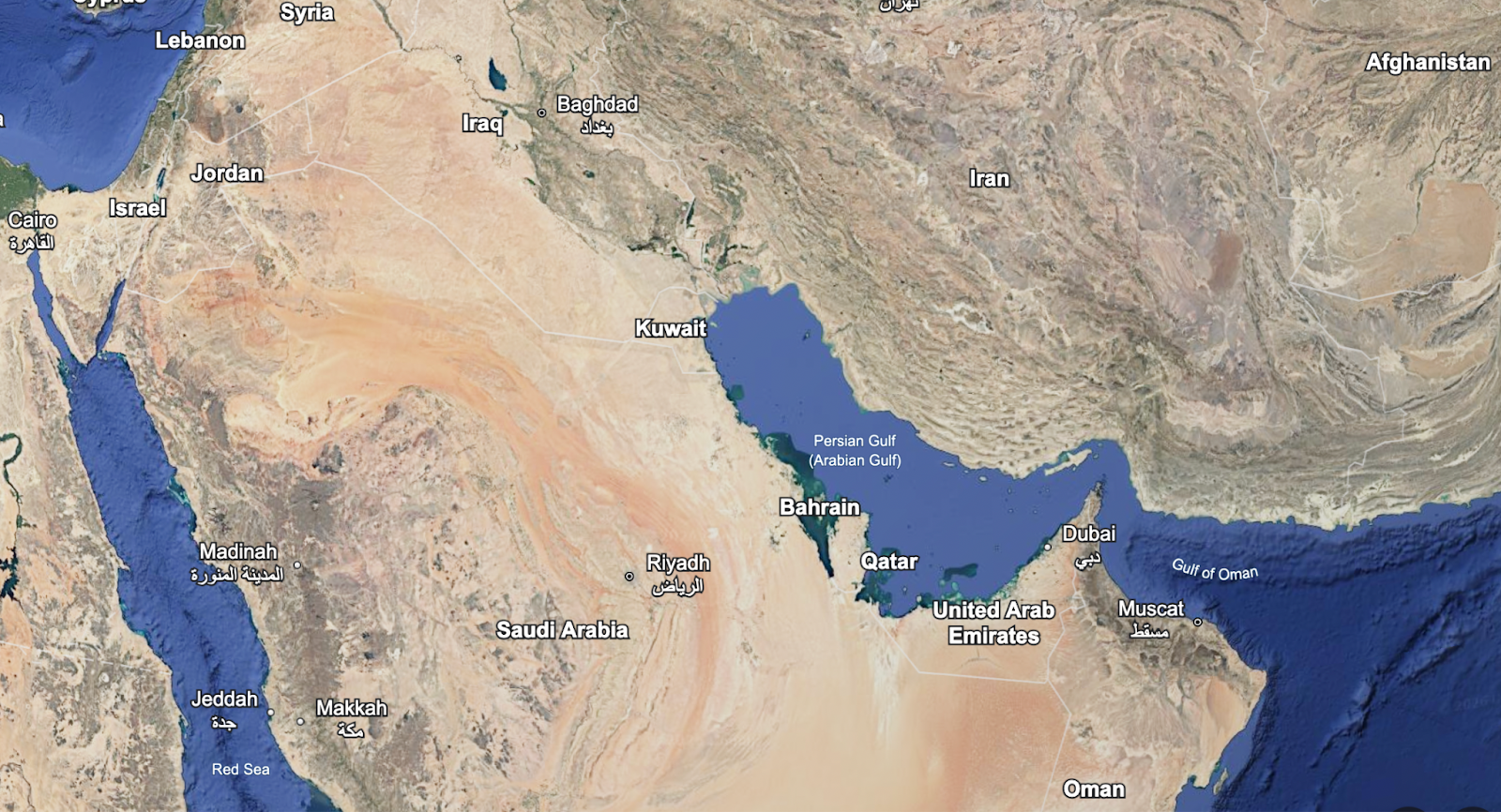
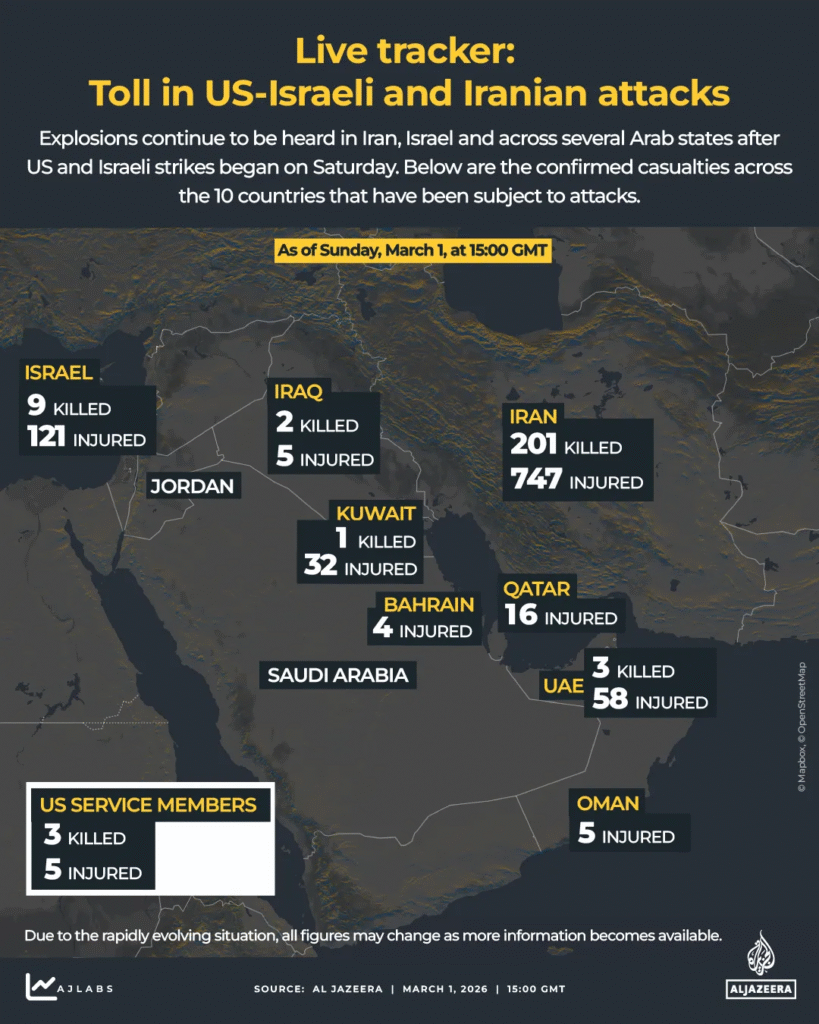
Iran responded with retaliatory missiles and drones, many aimed at U.S. assets across the Middle East. Explosions and missile strikes have been reported in Qatar, the United Arab Emirates, Bahrain, Kuwait, Jordan, Israel and Oman.
The Iranian state media confirmed the death of the Supreme Leader, Ayatollah Ali Khamenei, who has been in power since 1989, alongside approximately 40 high-ranking Iranian officials. A provisional council was put in place to rule until the election of a new supreme leader, estimated to happen within the next two days. His son, Mojtaba Khamenei, is a possible successor.
Civilian areas have also been targeted by Iran, including Dubai’s Fairmont The Palm hotel. The city’s airport was hit by drones, along with Zayed Airport in Abu Dhabi, Kuwait International Airport and Bahrain International Airport, leading to one death and 16 injuries across the countries.
According to FlightAware, over 18,000 flights have been delayed globally and more than 2,350 have been cancelled worldwide.
“What we are doing is in fact an act of self-defence and retaliation to the American aggression against us, we are not attacking our neighbours but we are attacking American targets,” Iranian foreign minister Abbas Araghchi said. “Of course we cannot hit any target in the territory of the United States, so we need to deal with their bases in the region.”
In Iran, a strike on an elementary school for girls killed 153 people, including children. The U.S. and Israeli military spokespeople have not taken responsibility for the attack, despite Iran’s attribution to them.
At least 201 people have been killed and 747 injured since yesterday, according to the Iranian Red Crescent.
Iranian public opinion remains divided, with those who mistrust the regime, blaming civilian deaths on their government.
“Even if the regime did not directly target schools, the deaths of children in Minab remain the responsibility of the Islamic Republic,” a social media user said.
Many Middle Eastern countries are experiencing strikes and casualties, without being directly involved in the conflict. This stems from geographic location and foreign military bases located on their soil. Qatar hosts Al Udeid Air Base, the largest U.S. military base in the area. Bahrain holds the base of the U.S. Navy’s Fifth Fleet and the UAE are suspected to host Israeli and U.S. intelligence offices.
The current events reflect long-standing tensions from Iran’s 1979 Islamic Revolution, the country’s disputed nuclear program and the support of armed groups opposed to the U.S. and Israel.
Following a period of increased U.S. pressure and sanctions related to Iran’s nuclear activities, Iran continued to develop its nuclear program. Israel has long viewed Iran’s nuclear activities as a serious security threat, and in June 2025 the United States and Israel conducted coordinated military strikes on several Iranian nuclear facilities and related infrastructure.
Iran partly controls Hormuz, a narrow waterway that connects the Middle East with the rest of the world, through which about 20% of global crude oil supply passes. Since yesterday’s attacks, no ships have passed through the strait.
Officials warn that what began as an attempt to cripple Iran’s leadership and military may now be reshaping the entire regional order and leading to another so-called ‘forever war’ in the Middle East.
Not far to the east, Pakistan and Afghanistan have engaged in their own escalations, Pakistan’s defence minister calling it “open war”. The Pakistani jets have struck multiple Afghan cities, which according to Islamabad are militant groups. Kabul has condemned the attacks and retaliated with missiles of their own.