
By: Caden Haynor and Caden Fiala
Defense officials, military leaders and various technology experts warned the public about the abrupt rise of artificial intelligence, and predicted a rapid expansion of AI and robotic defense technology.
Industry leaders gathered in Prague for the Future Forces Exhibition & Forum, which is one of Europe’s largest defense and security events. The three day conference ran from Oct. 21-23, showcasing emerging defense technologies and bringing together participants from over 70 countries to display and discuss current and future security challenges.
Jan Mazal, head of the Department of Military Robotics at the University of Defence, alerted attendees on the developments of AI on a robotic warfare expert panel.
“The future of the military will change because warfare is changing,” Mazal said. “Future soldiers will probably have to adapt to AI. We can expect anything in the future… What we are seeing on the battlefield right now is expensive tanks are being beat[en] by several drones, which are cheaper to make.”
The use of AI in warfare is increasingly becoming the expectation. Currently in its infancy, it is being tested in warzones across the world, notably in Ukraine and in Gaza.
“These changes are coming very quickly, we are losing understanding of what comes next,” Mazal said. “Future soldiers will become programmers.”
He presented a vision of war where “speed of adaptation is […] a combat capability in its own right.” In his view, European armies are still lagging behind when compared to others around the world.
Representatives from various government agencies, militaries and education arenas used the forum to exchange ideas regarding topics such as cybersecurity, aerospace and public safety. Technology showcases and expert panel discussions spanned multiple large rooms, available to all attendees.
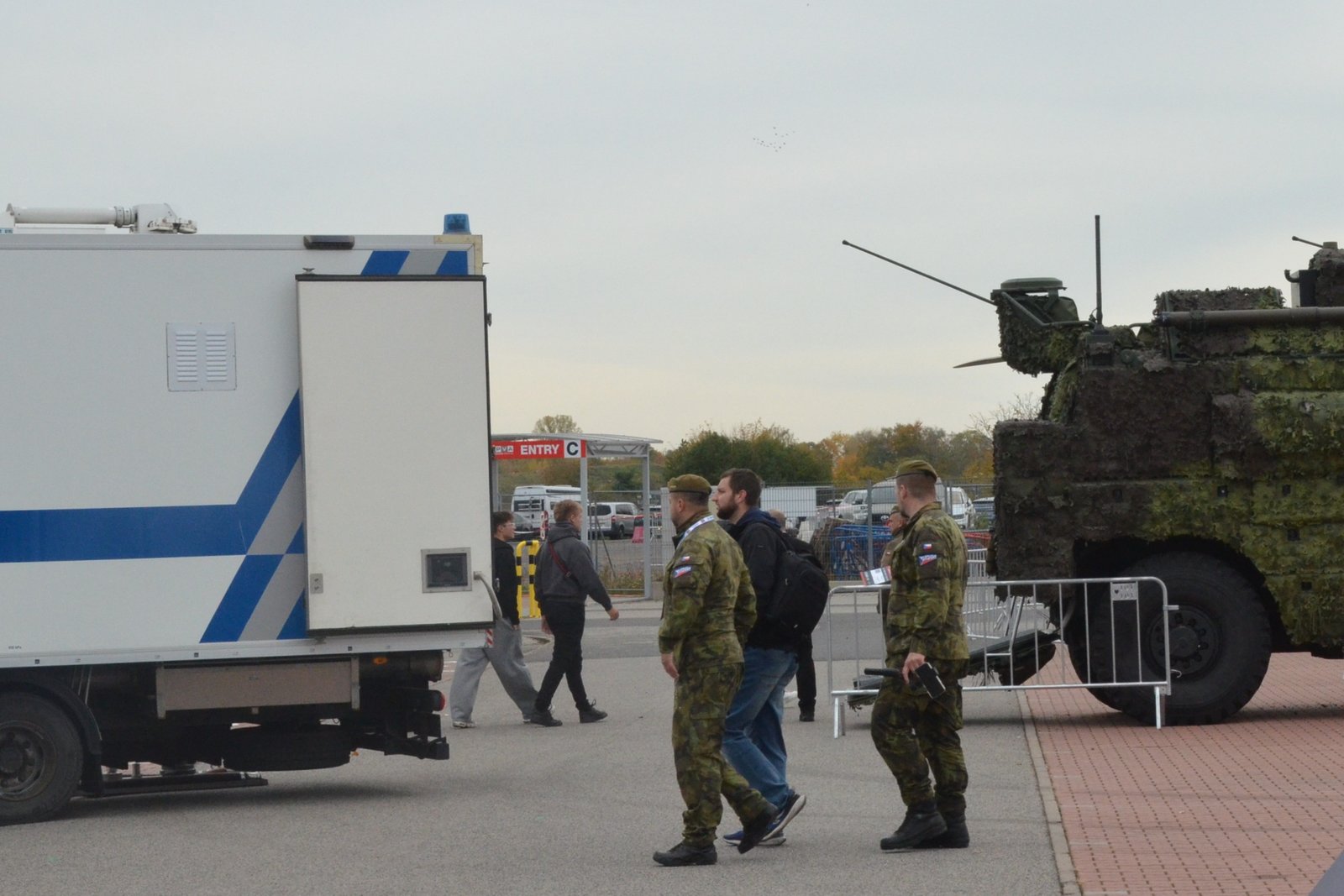
The event also featured extensive displays of emergency response technology, including the latest in law enforcement vehicles and weapons, fire trucks, etc. Visitors were able to hold police guns or try a virtual reality cardiopulmonary resuscitation (CPR) experience.
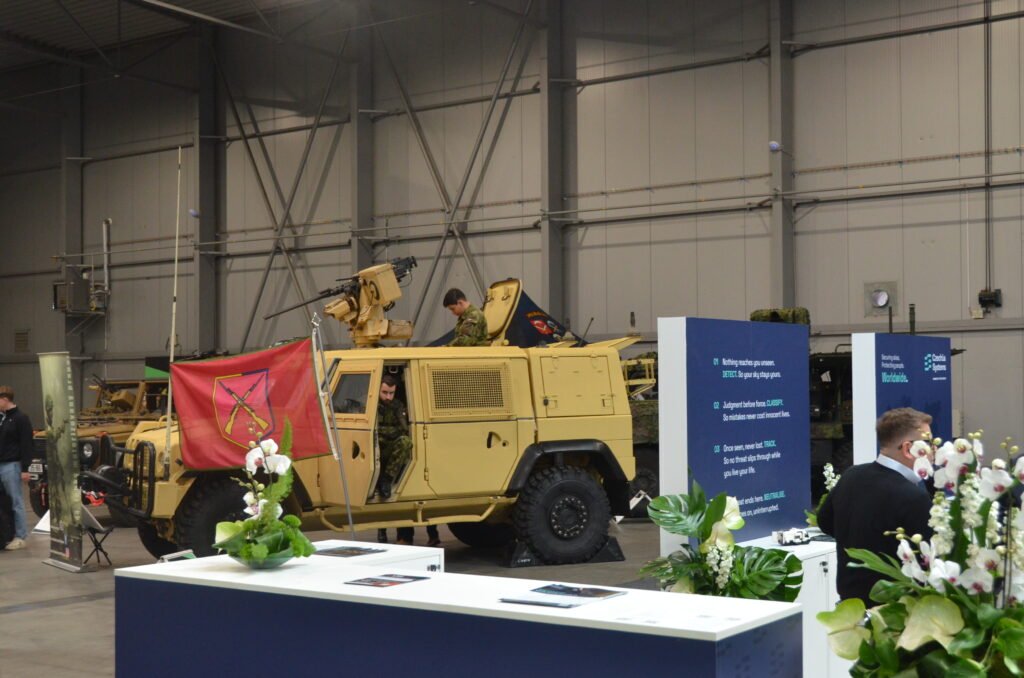
The technologies on display included military weapons, gear and vehicles from multiple countries. Some of the panelists expanded on the development of these technological advancements.
Stanislav Rolc, Head Emeritus of the Materials Engineering Section at the Brno Military University, has worked on international projects related to armored vehicle protection. Rolc discussed the advantages of camouflage and laser sensors during his panel on protection and defense of systems.
“Near infrared night vision devices, the light and contrast is different, but the color is lost,” Rolc said, translated to English. “With thermal vision, you can see more. During the day, the visibility is way different. Inside the tank, the thermal vision on a TV allows you to detect a target… Different atmospheric conditions can damage a laser range finder, but with [range-gated technology], it won’t be blinded. This gives us good visibility, even through fog and rain.”
The war in Ukraine was a focal point for many of these military experts. Since 2022, the Donetsk battlefield has been a “live lab for robotic warfare,” said Mazal’s slideshow.
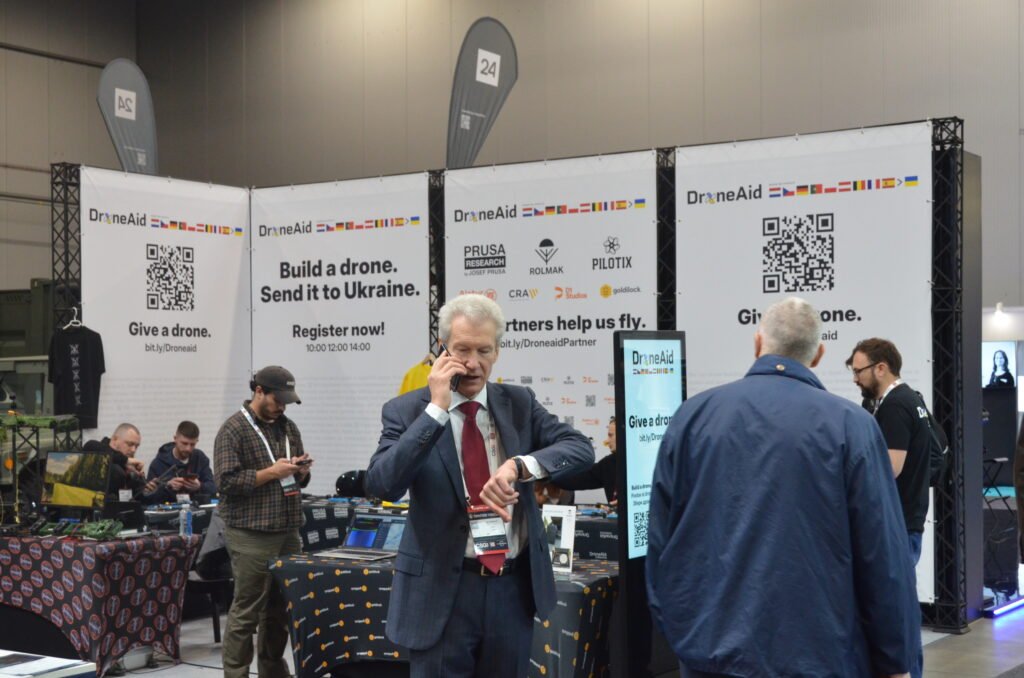
Among the activities of the conference, “Build a drone. Send it to Ukraine.” was advertised.
The future of military technology seems to be headed in the direction of AI and automation as today’s rapid progress leaves less and less need for human soldiers on the battlefield. The landscape is quickly changing in a way that even those behind these developments don’t claim to fully understand.