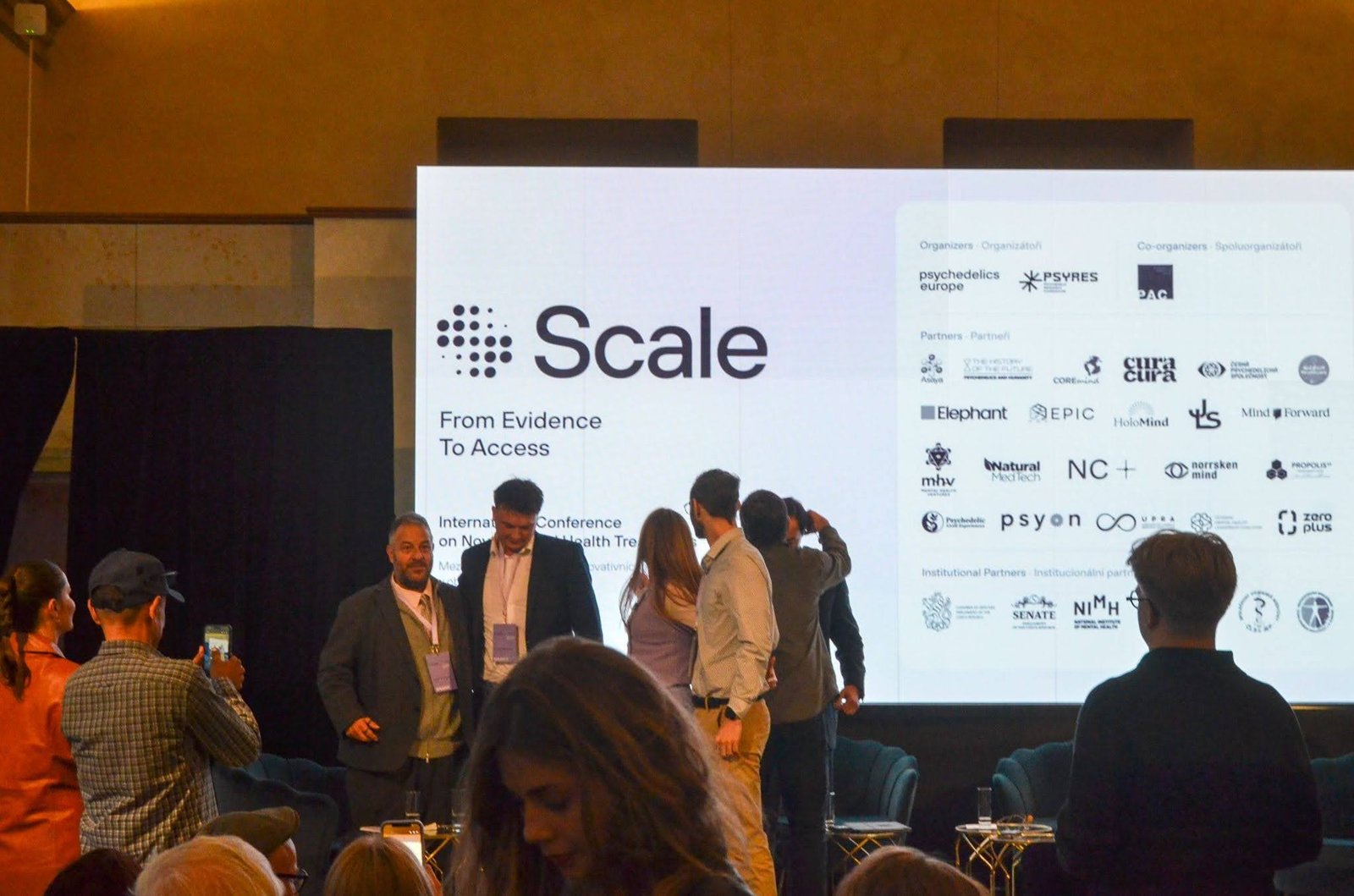

Cost over scientific ability, the biggest barriers to entry for the implementation of psychedelic drugs into mainstream medicine is the price and shortage of trained professionals.
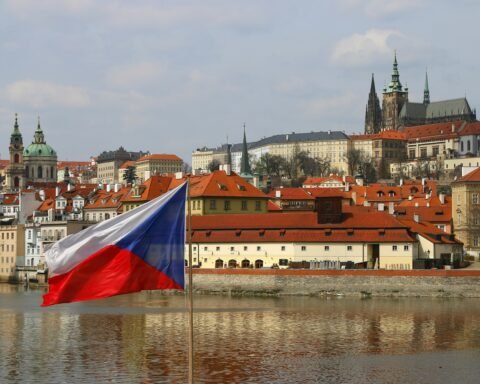
The Czech Republic became the first country to make a compound in magical mushrooms (psilocybin) a legal treatment for severe depression. But the treatment could not start until insurance companies settled terms for reimbursement, in that way making the launch of the treatment only possible in the second half of 2026.
“Partial insurance coverage for Psyon’s ketamine therapy let the clinic cut prices several times, lifting monthly applications from a few dozen to as many as 200,” said Stanislav Milotinsky, founder of Prague’s Psyon clinic, which says it has run more than 3,300 psychedelic-assisted sessions.
When discussing how far treatment should go beyond the clinic, panellists had a divergence of opinions. Some argued that clinics could learn from retreats about group settings, while retreats needed to conduct medical screenings to European standards. Others argued that the initial optimism of the treatment may fade when expanding from small practices to big hospitals.
According to the experts, another big deal is that there are too few qualified professionals, and each session could take up a clinician’s entire workday. There’s an existing need for governmental regulation, manufactures and clinicians, as newly trained providers would need close supervision to practice within the field.
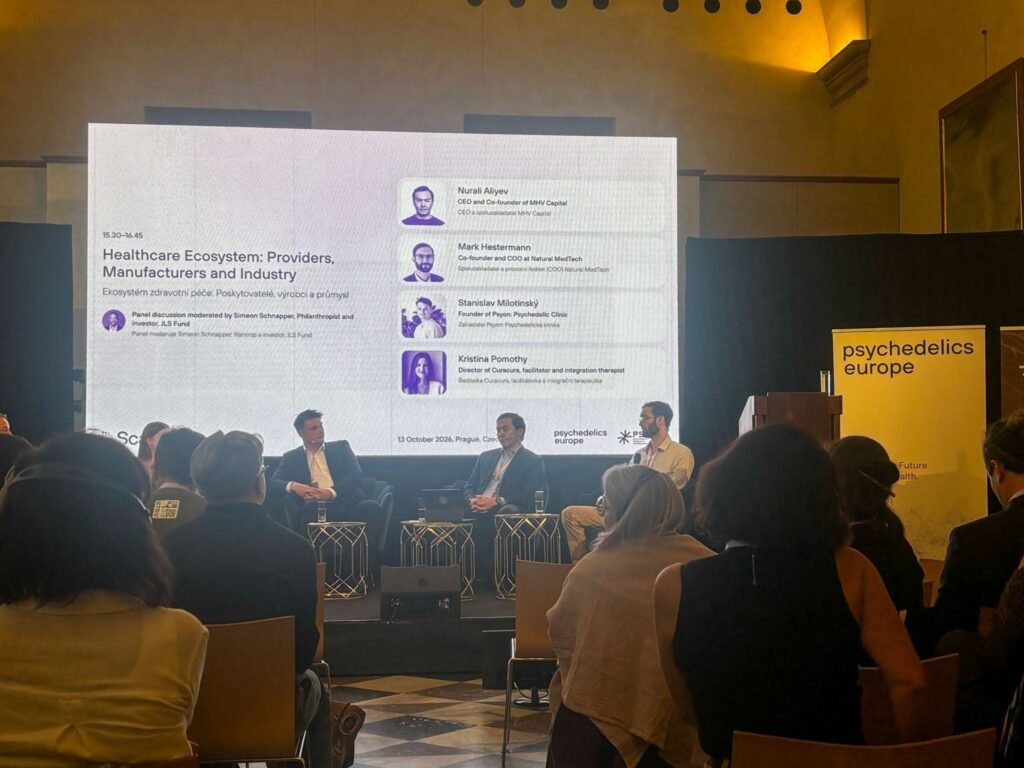
“These new people (…) should receive attention and caution as well to try to provide a big net supervision in order to make this new way as safe as possible,” remarked Milotinsky.
Another underlying point which was discussed was whether the effectiveness of the treatment comes from the drug’s action, or from the frequently intense and sometimes spiritual experience patients experience.
The conference also raised a relevant point about how much these treatments benefit from traditional ceremonies and indigenous practices. As now clinical practices were once a part of some kind of ritual or ceremony, and for those groups these practices were the therapy itself.
“We can’t forget about actually bringing in transcendence, mystical experiences, ritual, art, beauty,” said integration therapist, and director of Curacura, Kristina Pomothy.