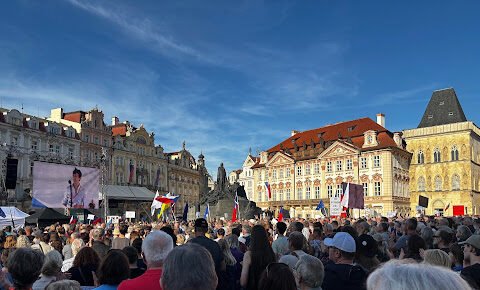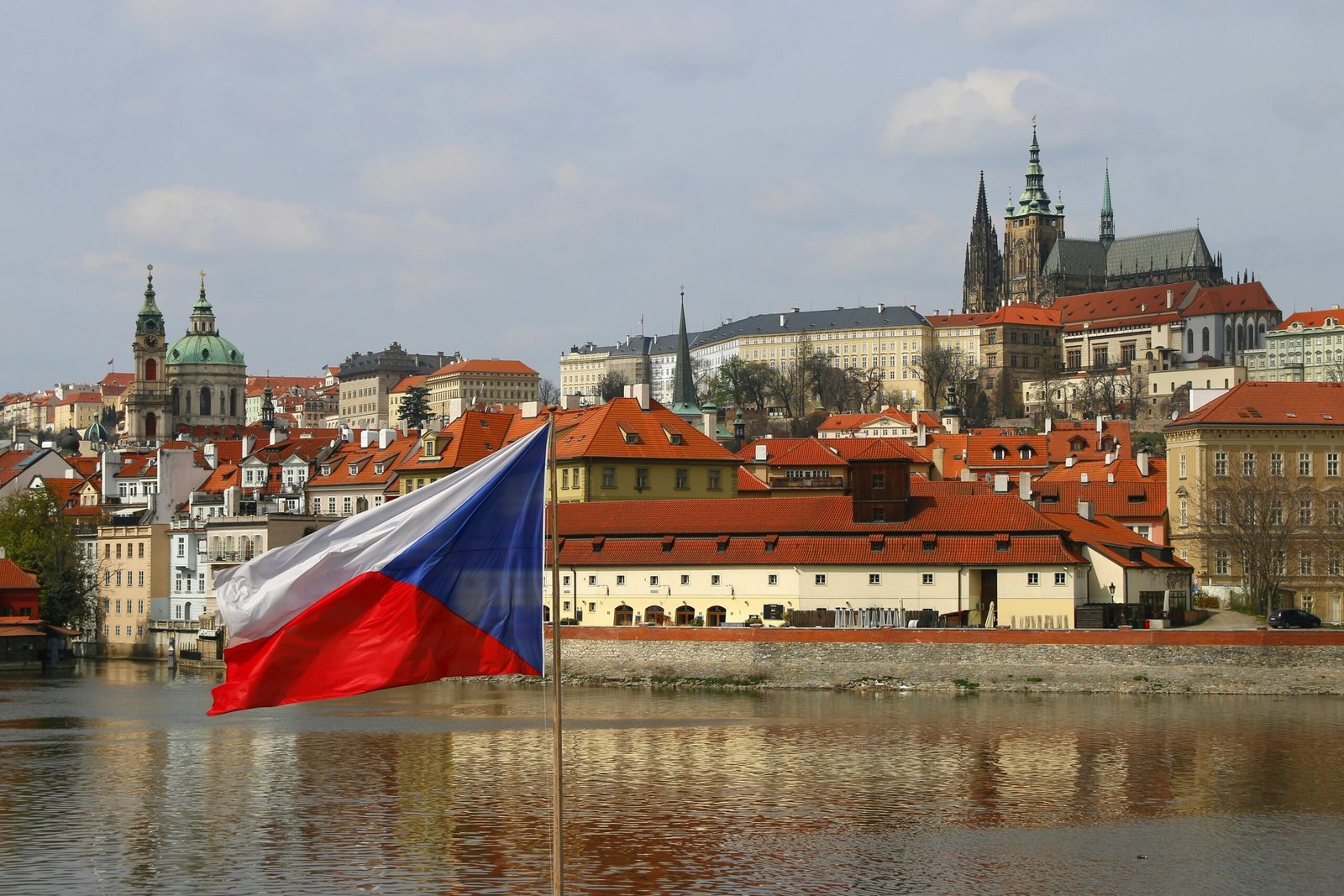

If you are an EU citizen currently living in Prague, this week you can have a say in how the city is run., By taking part in the municipal elections Friday Oct. 9 and Saturday 10, you are able to make an impact on what happens in Prague.
The municipal elections decide who runs Prague’s city hall for the next four years, and with it things that affect students directly: housing, public transport fares, parking and city development. Czech politics can look impenetrable from the outside, so here is what you need to know.
Can you vote?
EU citizens who live in Prague can vote, but unlike Czech citizens, they aren’t added to the voter list automatically. You had to apply to your district office to be put on the supplementary voters list, and the deadline falls two days before the elections themselves.
Students from outside the EU cannot vote in municipal elections. That doesn’t mean you have to sit this one out entirely: the campaign, debates and the coalition talks that follow are all public, and the decisions made at city hall impact everyone who lives here.
What exactly is being decided?
Voters elect Prague’s 65-member city council, with the whole city counted as one electoral district. Prague is also divided into districts that each have their own council, so you can vote for both levels.
One feature surprises many foreigners: nobody votes for the new mayor directly. After the election, the new council picks the mayor from among its own members. In Prague, no single party list is likely to win a majority, so parties must negotiate coalitions, and the real decision about who runs the city is made in those talks, not only on election night.
How does the voting work?
The system is proportional, meaning seats are shared amongst lists according to their share of the vote. It also lets you do something unusual: you can mark individual candidates, even from different lists, rather than just choosing one party’s tickets. Czechs call this křížkování. You’ll need your ID or passport to vote, with your polling station being determined by your registered address.
Who is running?
24 lists are on the ballot, but about six are realistic contenders.
Here is an overview of the six:
| List | Rough Position | Main ideas |
| ANO | Populist/centrist, economically mixed | Lower taxes, higher pensions, tougher migration policies |
| STAN (Mayors and Independents) | Center/Liberal | Pro EU, decentralization, municipalities, modernization, generally pro Western |
| ODS (Spolu) | Centre-right/conservative | Lower taxes, focus on businesses, smaller government, pro NATO |
| Pirates | Liberal/progressive | Digital government, civils liberties, anti corruption, Pro EU, liberal social policies |
| SPD (with Trikolora, PRO, Přísaha and independents) | Nation- conservative/populist | Anti-immigration, opposition to deeper EU integration, referendum emphasis |
| Motoristé sobě | Right-wing/ anti- Green Deal | Cars/industry, lower regulation around motor vehicles, opposition to Green Deal, more nationalist/conservative |
The current city hall coalition of SPOLU, the Pirates and STAN is seeking re-election. The campaign’s most notable dividing line is about who might govern with whom afterwards. Praha sobě’s leader has said his list won’t cooperate with ANO, SPD or Motoristé after the vote, which limits the possible coalition combinations.
How do AAU students view the elections?
It’s important to look at how our community views the municipal vote, therefore we asked some of our fellow students what they know about their options within the upcoming elections.
According to interviews taken by students from the EU, outside the EU and Czech citizens, more than half of EU citizens did not know they had the right to vote in the upcoming elections. Most students from outside of the EU knew little to nothing about the elections, and all Czech citizens we spoke to said they would be voting.
“As a Czech citizen I believe that it’s my responsibility to vote, I am proud that I can be involved in who’s going to be in power,” Barbora Žižková, a Czech student, said.
The result won’t be the end of the story. Once the ballots are counted, the parties still must negotiate coalitions, and only then will the new council pick Prague’s mayor. It may take days or weeks before the picture is clear. Whether or not you could vote this time, the outcome will shape the city you live in, from the cost of your commute to how many flats get built. Prague is your city for as long as you live here, and it’s worth knowing who is running it.